HACKER TUBES / 播放列表
我们如何与计算机对话
回望早期交互计算与 Unix,再思考人与计算机之间的界面还可以是什么样。
6 部视频 · 4 小时 36 分钟
开始观看建议观看顺序
点击任意视频开始观看,在观看页通过上一部、下一部继续这个清单。
- 01
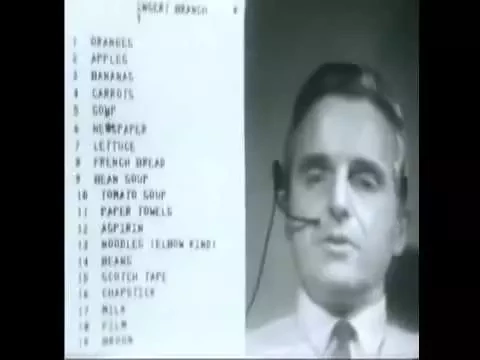
The Mother of All Demos, presented by Douglas Engelbart (1968)
Marcel · 8 则 HN 推荐The full recording of Douglas Engelbart's 1968 demonstration, which introduced the mouse, hypertext, video conferencing, word processing, and real-time collaborative editing. It runs about 100 minutes.
- 02

AT&T Archives: The UNIX Operating System
AT&T Tech Channel · 10 则 HN 推荐A 1982 Bell Labs film hosted by Victor Vyssotsky on the origins and design philosophy of the UNIX operating system, with appearances by Kernighan, Thompson and Ritchie. It shows pipes, filters and a shell one-liner spell checker being built.
- 03

UNIX: Making Computers Easier To Use -- AT&T Archives film from 1982, Bell Laboratories
AT&T Tech Channel · 6 则 HN 推荐A 1982 AT&T Bell Labs film for students about the Unix system and how it can be used practically. It includes Lorinda Cherry building a talking calculator by piping together Unix commands, and a spell checker made from Unix utilities.
- 04
"What UNIX Cost Us" - Benno Rice (LCA 2020)
linux.conf.au · 3 则 HN 推荐Benno Rice's linux.conf.au 2020 talk asks whether UNIX was the best design we could have had. He looks at what alternatives existed, what was gained and lost, and what could be re-learned, including the limits of treating everything as a file.
- 05
Bret Victor - Inventing on Principle
Rui Oliveira · 12 则 HN 推荐Bret Victor's talk at CUSEC 2012 in which he argues that creators need immediate feedback and should organize their work around a guiding principle. He demonstrates live-coding and animation tools that show results as you type, and describes his own principle that creators must see what they are making.
- 06
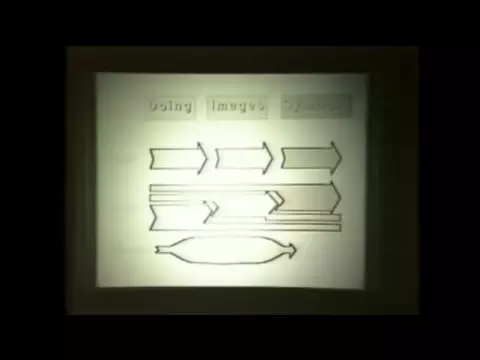
Bret Victor - Drawing Dynamic Visualizations
Colin McDonnell · 3 则 HN 推荐Bret Victor's talk on Drawing Dynamic Visualizations. It argues that visualization tools offer either the directness of hand drawing or the dynamics of programmed graphics, and shows a tool that combines both.