HACKER TUBES / プレイリスト
Question your security assumptions
Explore physical access, mobile systems, hardware supply chains, and the wider problem of building secure systems.
6 本の動画 · 6 時間 19 分
視聴を始めるおすすめの視聴順
動画を選んで再生。視聴ページの前後のリンクで続けて見られます。
- 01
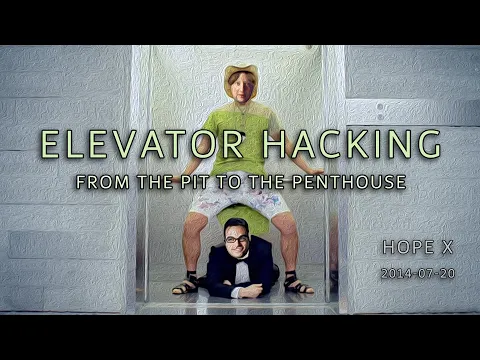
Elevator Hacking: From the Pit to the Penthouse
DeviantOllam · 9 件のHN推薦Deviant Ollam's two-hour conference talk explains how elevators work, from the pit and buffers to the car top, controller logic and access-control features. It shows how this knowledge can be used for optimization and for bypassing building security.
- 02
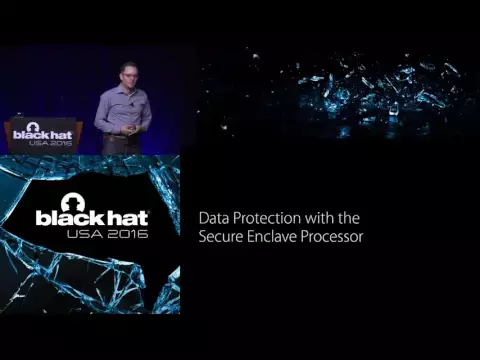
Behind the Scenes of iOS Security
Black Hat · 9 件のHN推薦Apple security head Ivan Krstic gives a Black Hat 2016 talk on iOS security, covering HomeKit, Auto Unlock and iCloud Keychain. He explains key hierarchies and how data can stay safe even in adversarial clouds.
- 03
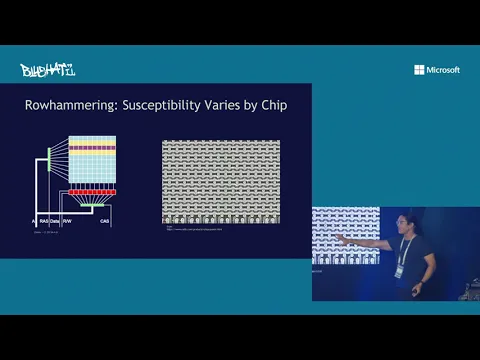
BlueHat IL 2019 - Andrew "bunnie" Huang - Supply Chain Security: "If I were a Nation State...”
Microsoft Israel R&D Center · 6 件のHN推薦Andrew "bunnie" Huang examines how realistic hardware supply chain attacks are, from rogue insiders to nation states, in the wake of the Bloomberg Businessweek report. He explains how undocumented components could be hidden on boards and how hard they are to spot.
- 04

28c3: The Science of Insecurity
28c3 · 9 件のHN推薦Meredith Patterson and Sergey Bratus argue that networked software stays insecure because protocols and inputs are too complex to recognize safely. They propose using formal language theory and grammars to build secure, verifiable input handling.
- 05

USENIX Security '18-Q: Why Do Keynote Speakers Keep Suggesting That Improving Security Is Possible?
USENIX · 10 件のHN推薦James Mickens's humorous USENIX Security keynote argues that improving security and trusting opaque technology like machine learning is far harder than the industry admits.
- 06
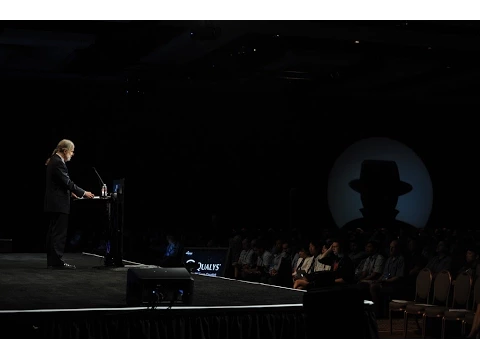
Cybersecurity as Realpolitik by Dan Geer presented at Black Hat USA 2014
Black Hat · 1 件のHN推薦Dan Geer's Black Hat 2014 keynote argues that cybersecurity is a matter of power and policy rather than wishful thinking. He covers surveillance, the vulnerability market, software liability and privacy as the capacity to misrepresent yourself.